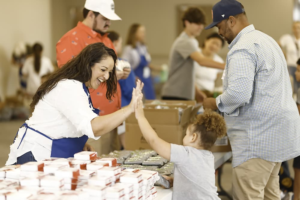

Foster families do not need applause. They need presence. They need people who show up, not with grand gestures but with steady, ordinary acts of When families fall apart, siblings often become each other’s only constant. The bond between brothers and sisters who have survived trauma together is unlike any other. Understanding sibling bonds after trauma helps us see why these relationships matter so deeply, and why separating siblings can cause lasting harm. Michelle Hamson writes movingly about sisters who fight to stay connected, even when everything tries to tear them apart.
Why sibling bonds are different after trauma
Siblings who grow up in chaotic or traumatic environments share experiences that no one else fully understands. They have witnessed the same events, felt the same fears, and often protected each other when no adult could.
What makes these bonds unique:
- Shared history: They remember the same moments, both painful and precious
- Mutual protection: Often, one sibling takes on the role of protector for the others
- Unspoken understanding: They do not need to explain what they went through
- Identity anchor: Siblings help each other remember who they are when everything else changes
These connections are not just emotional preferences. They are survival bonds forged in crisis.
The pain of sibling separation
When siblings are separated, whether through foster care placements, custody battles, or other circumstances, the loss can be profound. For children who have already lost so much, losing each other feels like losing the last piece of home.
Effects of sibling separation:
- Grief and longing for the missing sibling
- Guilt, especially for older siblings who feel responsible
- Anxiety about the sibling’s safety and well-being
- Difficulty forming attachments, fearing more loss
- A fractured sense of identity without their sibling
Research from Child Trends shows that keeping siblings together in foster care improves outcomes for emotional well-being, stability, and long-term success.
How siblings stay connected despite distance
Even when separated, many siblings find ways to hold onto each other. Their bond does not disappear just because they are not under the same roof.
Ways siblings maintain connection:
- Memories: Holding onto shared stories and inside jokes
- Objects: Keeping a photo, a toy, or something that represents their sibling
- Letters and calls: When allowed, staying in touch through any means possible
- Hope: Believing they will be reunited one day
For many, the hope of reunion is what keeps them going through the hardest days.
Supporting sibling relationships after trauma
If you are a foster parent, caseworker, educator, or family member, there are ways to honor and support the sibling bond.
How to help:
- Advocate for keeping siblings together in placements
- Facilitate regular visits and communication when separation is unavoidable
- Listen to children talk about their siblings without minimizing their feelings
- Create space for siblings to maintain rituals or traditions
Recognize that the sibling relationship is often the most important one in their life
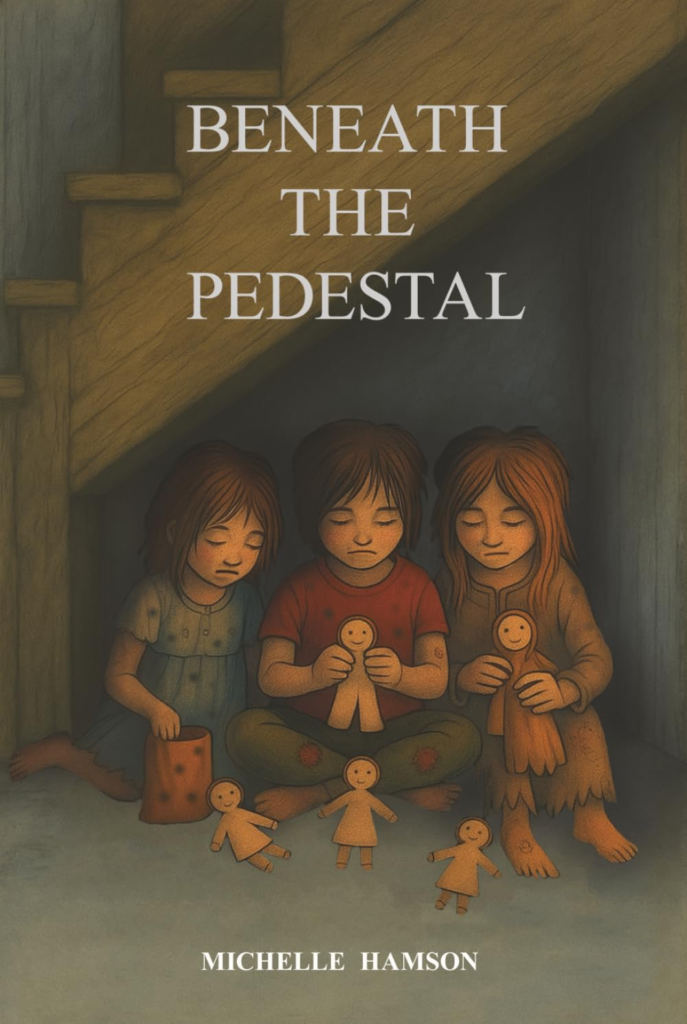
Some Bonds Are Stronger Than Distance
Sibling bonds after trauma are not just about shared DNA. They are about shared survival. Sisters and brothers who have walked through fire together carry a connection that distance cannot break. When we protect those bonds, we protect something sacred. For a story that captures the unbreakable love between sisters, read Beneath the Pedestal and visit Michelle Hamson’s official site.