

Some children never get to just be children. Instead of playing, they are parenting. Instead of being cared for, they are the caregivers. A parentified child is one who has been forced into adult responsibilities far too early, often becoming the emotional or practical caretaker of their siblings or even their own parents. Michelle Hamson brings this reality to life through characters like Hanna, whose childhood was shaped by burdens no child should carry.
What does it mean to be a parentified child?
Parentification happens when a child takes on roles and responsibilities that belong to adults. This is not the same as age-appropriate chores or helping out occasionally. It is a pattern where the child becomes responsible for the physical or emotional well-being of others in the home.
There are two main types of parentification:
- Instrumental parentification: The child handles practical tasks like cooking, cleaning, paying bills, or caring for younger siblings
- Emotional parentification: The child becomes a confidant, counselor, or emotional support for a parent or sibling
Both forms rob children of the freedom to develop at their own pace and can leave lasting marks on their sense of self.
Why does parentification happen?
Parentification often occurs in families facing significant challenges. It is not always intentional, but the impact on the child is real regardless of the cause.
Common circumstances that lead to parentification:
- Parental substance abuse or addiction
- Mental illness in a parent
- Chronic illness or disability
- Single-parent households with limited support
- Domestic violence or ongoing family crisis
- Poverty and lack of access to resources
According to research published by the American Psychological Association, children who experience parentification are at higher risk for anxiety, depression, and difficulties in relationships later in life.
The hidden cost of growing up too fast
From the outside, a parentified child may look mature, responsible, and capable. They are often praised for being “so grown up.” But underneath that exterior, there is often exhaustion, loneliness, and unmet needs.
What parentified children often experience:
- Loss of childhood: No time for play, friendships, or age-appropriate activities
- Identity confusion: Difficulty knowing who they are outside of their caretaking role
- Chronic stress: Constant worry about the well-being of others
- Difficulty asking for help: Belief that they must handle everything alone
- Resentment and guilt: Conflicted feelings toward the parent they love but also feel burdened by
These children carry invisible weights that adults around them often fail to see.
How parentification affects adulthood
The effects of parentification do not disappear when a child grows up. Many adults who were parentified as children carry patterns into their relationships, careers, and sense of self.
Long-term effects may include:
- Difficulty setting boundaries in relationships
- Tendency to over-function or take on too much responsibility
- Struggles with self-worth that is not tied to productivity
- Fear of being a burden to others
- Challenges in allowing others to care for them
Recognizing these patterns is the first step toward healing and building healthier ways of relating to yourself and others.
Supporting parentified children and adults
Whether you are a teacher, counselor, family member, or someone who experienced parentification yourself, there are ways to help.
For children currently in this role:
- Acknowledge their situation without shame or blame
- Offer moments of normalcy and play when possible
- Connect the family with resources and support
- Be a consistent, caring presence in their life
For adults healing from parentification:
Learn to separate your worth from your usefulness
Work with a therapist who understands family dynamics and childhood trauma
Practice setting boundaries and allowing others to help
Grieve the childhood you did not get to have
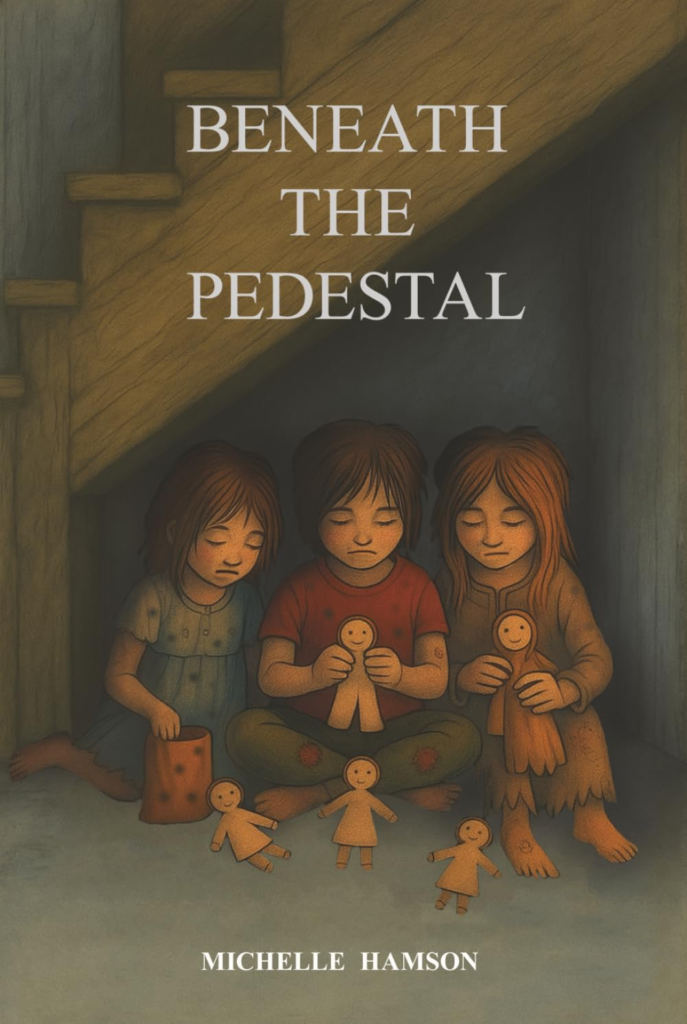
Their Story Deserves to Be Told
The reality of being a parentified child is one that many people never see. These children love fiercely, sacrifice quietly, and carry burdens that leave lasting marks. By understanding their experience, we can offer the support, compassion, and resources they need to heal. To explore a story that honors children like Hanna and the invisible battles they fight, read Beneath the Pedestal and visit Michelle Hamson’s official site.