
We often talk about people who are “put on a pedestal,” admired, praised, and seen as capable of no wrong. But what about those who live in the opposite space? Understanding the meaning of beneath the pedestal opens our eyes to the lives that are overlooked, underestimated, and dismissed, and to the profound stories those lives hold. Michelle Hamson explores this very idea in her writing, giving voice to those who society often ignores.
What does “beneath the pedestal” mean?
When someone is placed on a pedestal, they are lifted above others, seen as exceptional, admirable, and beyond criticism. The phrase “beneath the pedestal” refers to those who occupy the opposite position: people who are judged, overlooked, or dismissed based on circumstances often outside their control.
People beneath the pedestal might include:
- Children in foster care, moving from home to home with no sense of stability
- Parents struggling with addiction while trying to love their kids
- Women and children in shelters escaping domestic violence
- Families living in poverty, judged without understanding
- Anyone whose struggles make others uncomfortable to see
These are people whose worth is not determined by their circumstances, yet society often treats them as though it is.
Why these stories matter
When we only celebrate those on pedestals, we miss the full picture of what it means to be human. The people living beneath the pedestal carry experiences that teach us about resilience, courage, and the complexity of survival.
Their stories reveal:
- Strength in adversity: Surviving what most cannot imagine
- Love in brokenness: Caring for others while carrying their own pain
- Hope against odds: Believing in a better future when the present is bleak
- Humanity in hardship: Reminding us that dignity is not tied to success
Ignoring these voices means missing essential truths about life, struggle, and what it really takes to keep going.
The danger of only looking up
When we focus only on those we admire, we create a narrow view of what a meaningful life looks like. We start to believe that value comes from achievement, status, or approval. This mindset harms everyone: those on the pedestal who cannot live up to impossible standards, and those beneath it who are made to feel invisible.
Consider this:
- A child in foster care is not less worthy of love than a child in a stable home
- A parent fighting addiction is not less human than a parent who has never struggled
- A family in poverty is not less valuable than a family with wealth
The measure of a person is not found in what they have, but in who they are and how they love.
How we can change our perspective
Seeing those beneath the pedestal requires intentionality. It means looking past surface judgments and asking deeper questions.
Practical steps to shift your view:
- Listen without assumptions: Everyone has a story you do not know
- Serve without conditions: Help because people matter, not because they meet criteria
- Read and learn: Seek out stories that challenge your comfort zone
- Examine your biases: Notice when you dismiss someone based on appearance or circumstance
When we choose to see people beneath the pedestal, we open ourselves to a richer, more compassionate understanding of the world.r life
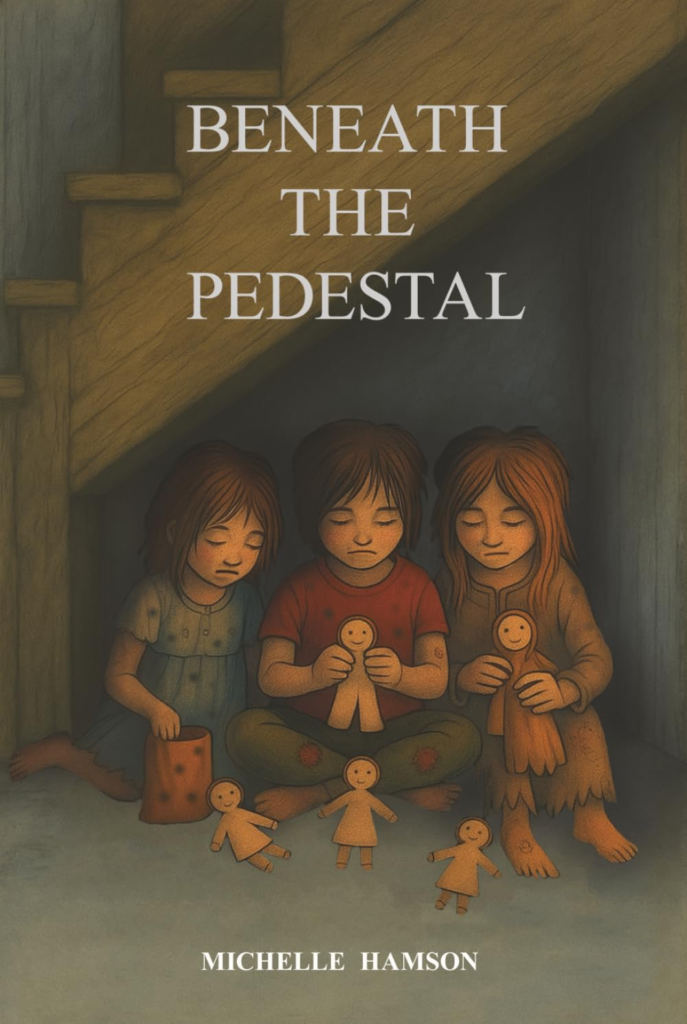
See the Unseen. Honor the Overlooked.
The meaning of beneath the pedestal is more than a phrase. It is an invitation to see the people society overlooks and to recognize the value in every human story. Those who live beneath the pedestal are not less than; they are simply less seen. And their lives hold lessons, courage, and beauty that we cannot afford to miss. To dive deeper into stories that honor these voices, explore Beneath the Pedestal and visit Michelle Hamson’s official site.