

Foster families do not need applause. They need presence. They need people who show up, not with grand gestures but with steady, ordinary acts of cFoster care is meant to be a safety net, but for many children, it comes with its own set of emotional challenges. The connection between foster care and mental health is deep and complex. Every placement change, every goodbye, and every new environment leaves a mark on a child’s developing mind. Michelle Hamson writes with deep compassion about these realities, giving voice to children whose inner struggles often go unseen.
Why foster care impacts mental health
Children enter foster care because of circumstances beyond their control: abuse, neglect, parental incarceration, or family crisis. The removal itself, even when necessary, is traumatic. Add to that the instability of multiple placements, and the psychological toll grows.
Key factors affecting mental health in foster care:
- Separation trauma: Being removed from parents, siblings, and everything familiar
- Placement instability: Moving between homes disrupts attachment and trust
- Loss of identity: Constantly adapting to new rules, schools, and expectations
- Uncertainty about the future: Not knowing if reunification will happen or if adoption is possible
Studies from the Child Welfare Information Gateway indicate that children in foster care experience mental health disorders at rates significantly higher than the general population.
Common mental health challenges in foster children
The mental health struggles of foster children are not signs of weakness or bad behavior. They are responses to overwhelming circumstances that most adults would struggle to handle.
What foster children commonly experience:
- Anxiety: Constant worry about what will happen next
- Depression: Grief over losses, feelings of hopelessness
- Attachment disorders: Difficulty forming healthy bonds due to repeated separations
- PTSD symptoms: Flashbacks, nightmares, and hypervigilance from past trauma
- Behavioral challenges: Acting out as a way to communicate pain or test boundaries
These challenges are not the child’s fault. They are the result of systems and circumstances that failed to protect them.
The impact on trust and identity
Trust is built through consistent, loving relationships. When those relationships are repeatedly disrupted, children learn to protect themselves by not getting too attached. This survival strategy makes sense in the moment but creates challenges in forming healthy relationships later.
How trust and identity are affected:
- Difficulty believing that adults will keep their promises
- Confusion about where they belong or who they are
- Fear of rejection leading to withdrawal or testing behavior
- Struggle to feel safe even in stable environments
Healing these wounds takes time, patience, and consistent care from adults who understand what the child has been through.
What helps foster children heal
While the challenges are real, so is the possibility of healing. With the right support, foster children can develop resilience, form healthy attachments, and build fulfilling lives.
Supportive factors include:
One consistent adult: A mentor, teacher, or caregiver who remains present through transitions
Stable placements: Fewer moves mean more opportunity to build trust
Trauma-informed care: Foster parents and professionals trained to understand trauma responses
Access to mental health services: Therapy that addresses the specific needs of foster children
Sibling connections: Keeping brothers and sisters together when possible
Understanding Is the First Step Toward Change
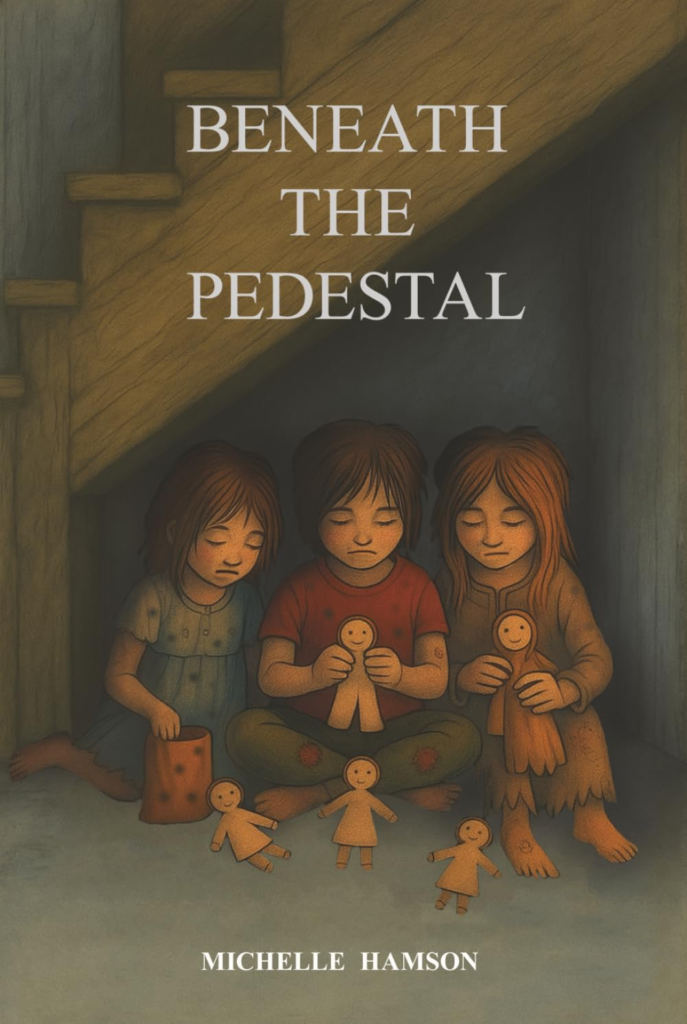
The relationship between foster care and mental health is undeniable. But awareness creates the foundation for change. When we understand what foster children carry, we can respond with compassion instead of judgment, with patience instead of frustration. These children deserve more than survival; they deserve to thrive. For a story that captures the emotional reality of foster care, read Beneath the Pedestal and visit Michelle Hamson’s official site.