

If you grew up feeling invisible, unheard, or like your emotions did not matter, you are not imagining things. Childhood neglect leaves real marks, even when there are no visible scars. The good news? Healing from childhood neglect is not only possible; it can begin right where you are, with small and steady steps toward feeling safe again. Michelle Hamson writes stories that reach beneath the surface, drawing from real experiences with foster care, faith, and resilient families.
What childhood neglect actually looks like
Neglect is not always dramatic. Sometimes it is the quiet absence of what should have been there: attention, comfort, guidance, and presence. Children who experience neglect often grow up believing their needs are too much or that they simply do not deserve care.
Common signs of childhood neglect include:
- Emotional unavailability: Parents who were physically present but emotionally absent
- Lack of guidance: No one taught you how to manage emotions or solve problems
- Chronic dismissal: Your feelings were ignored, minimized, or treated as an inconvenience
- Role reversal: You became the caretaker for a parent or younger siblings far too early
Research from the American Academy of Pediatrics shows that early neglect affects brain development, emotional regulation, and the ability to form healthy relationships later in life.
Why healing feels so hard at first
When neglect was your normal, learning to feel safe can feel foreign. You may struggle with trusting others, identifying your own needs, or believing you deserve care. That inner resistance is not a flaw; it is your nervous system trying to protect you.
You might notice patterns like:
- Pushing people away before they can leave
- Feeling uncomfortable when someone shows you consistent kindness
- Apologizing for having needs or taking up space
- Numbing out or disconnecting when emotions get too strong
Recognizing these patterns is the beginning of changing them.
Gentle steps toward healing
Healing does not require you to relive every painful memory. It is about slowly teaching your body and mind that safety is possible now.
Name what was missing
Acknowledging that your childhood lacked what you needed is not about blaming. It is about validating your experience. You are allowed to grieve what was never given to you.
Start small with self-compassion
Talk to yourself the way a loving parent would. When you make a mistake, try saying, “It is okay. You are learning.” This may feel awkward at first, but it rewires old patterns over time.
Build safety in your body
Trauma lives in the body. Gentle practices like deep breathing, grounding exercises, or even wrapping yourself in a weighted blanket can signal to your nervous system that you are safe. SAMHSA offers resources for coping strategies that support emotional regulation.
Find one safe person
You do not need a large support system to begin healing. One trustworthy person, whether a friend, therapist, or mentor, can make a significant difference. Look for someone who listens without judgment and respects your boundaries.
Consider professional support
Therapists trained in trauma and attachment, especially those using approaches like somatic therapy or EMDR, can help you process experiences that feel too big to handle alone.
Faith and healing can walk together
For many, faith offers a framework for healing that holds both honesty and hope. A faith-based perspective does not minimize pain. Instead, it reminds us that we were created for connection, and that restoration is part of the story God is always writing.
Healing is not about forgetting. It is about no longer being controlled by what happened. You can honor your past while building a different future.
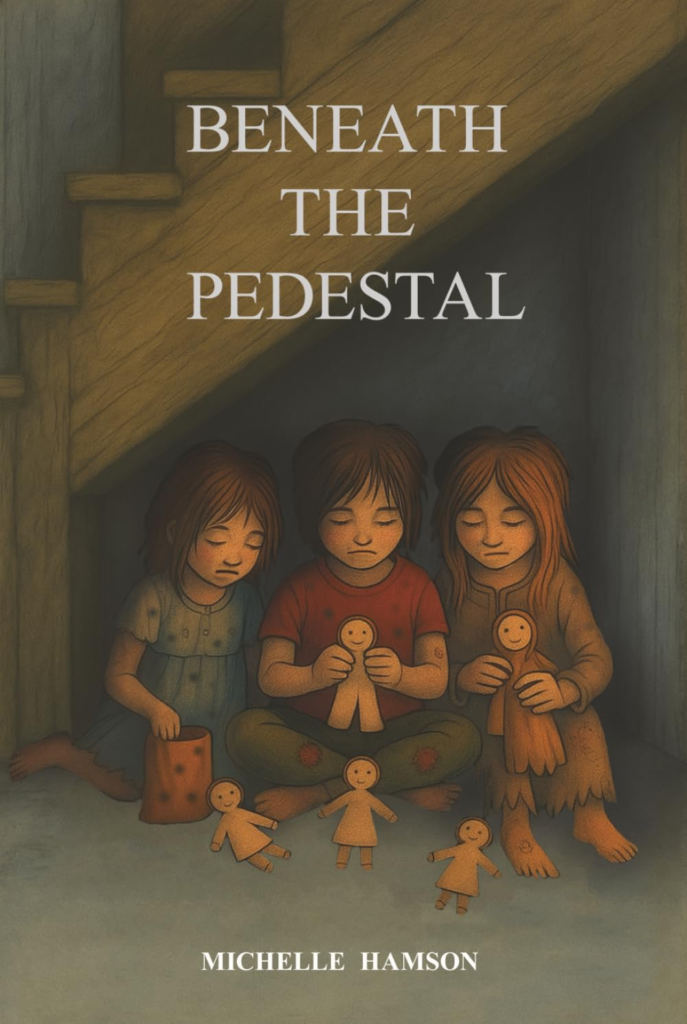
Ready to Begin Your Healing Journey?
Healing from childhood neglect is not a straight line. There will be setbacks, hard days, and moments when old wounds resurface. But with patience, self-compassion, and the right support, you can learn to feel safe in your own skin. You were never meant to carry it all alone. For more stories rooted in resilience, faith, and the beauty of second chances, explore Beneath the Pedestal and visit Michelle Hamson’s official site.