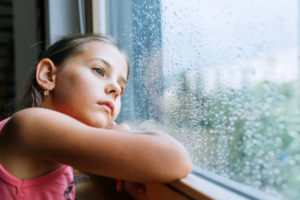
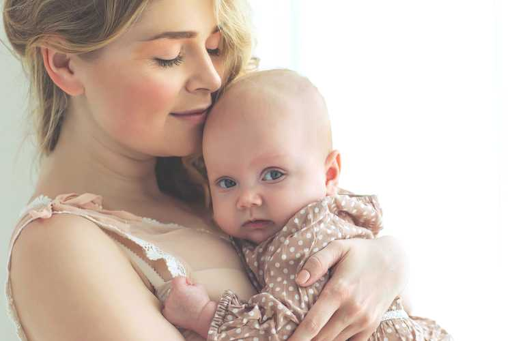
Most people drive past shelters without a second thought. But inside those walls are stories of courage, survival, and quiet strength that rarely make headlines. Understanding life in a women and children’s shelter means seeing beyond the building to the real people inside, mothers fighting for safety, and children adjusting to a world turned upside down. Michelle Hamson writes about these hidden worlds with honesty and heart.
Why women and children end up in shelters
Shelters exist because sometimes leaving is the only safe option. Women and children arrive at shelters for many reasons, but the common thread is a need for protection and a fresh start.
Common reasons families seek shelter:
- Escaping domestic violence or abuse
- Fleeing dangerous living situations
- Sudden homelessness due to job loss or eviction
- Leaving situations involving substance abuse
- Seeking safety for their children above all else
According to the National Network to End Domestic Violence, thousands of women and children seek shelter every day, and many more are turned away due to lack of space.
What daily life in a shelter looks like
Shelter life is not what most people imagine. It is structured, communal, and focused on helping families rebuild. While every shelter is different, there are common rhythms that define daily life.
A typical day might include:
- Morning routines: Shared breakfasts, getting children ready for school
- Case management meetings: Working with staff on housing, employment, and legal needs
- Group activities: Parenting classes, support groups, or life skills workshops
- Quiet time: Rest, reflection, or simply being present with children
- Evening meals: Communal dinners that build connection among residents
There are rules and schedules, but there is also community. Women support each other in ways that outsiders rarely witness.
The fears and challenges families face
Shelter provides safety, but it does not erase fear. Many women arrive with nothing but the clothes on their backs and the weight of impossible decisions.
Common fears and challenges:
- Fear of being found by an abuser
- Worry about children’s emotional well-being
- Shame or stigma about needing help
- Uncertainty about what comes next
- Grief over the life they left behind, even if it was harmful
Children, too, carry these burdens. They may not fully understand why they left home or when they will have a permanent place again.
The small joys that matter
Despite the hardship, shelters are also places of hope. Small moments of joy and connection happen daily, even in the midst of uncertainty.
Moments that bring light:
- A child’s laughter during playtime
- A mother sleeping through the night for the first time in months
- Friendships forming between women who understand each other’s pain
- A job interview, a housing approval, a small victory
- The first step toward a new beginning
These moments matter. They remind families that safety is possible and that their courage is not in vain.
How you can support shelter families
If you want to make a difference, there are practical ways to help families in shelters.
Ways to get involved:
Spread awareness without perpetuating stigma
Donate essentials like toiletries, diapers, and clothing
Volunteer your time or skills
Advocate for policies that support survivors
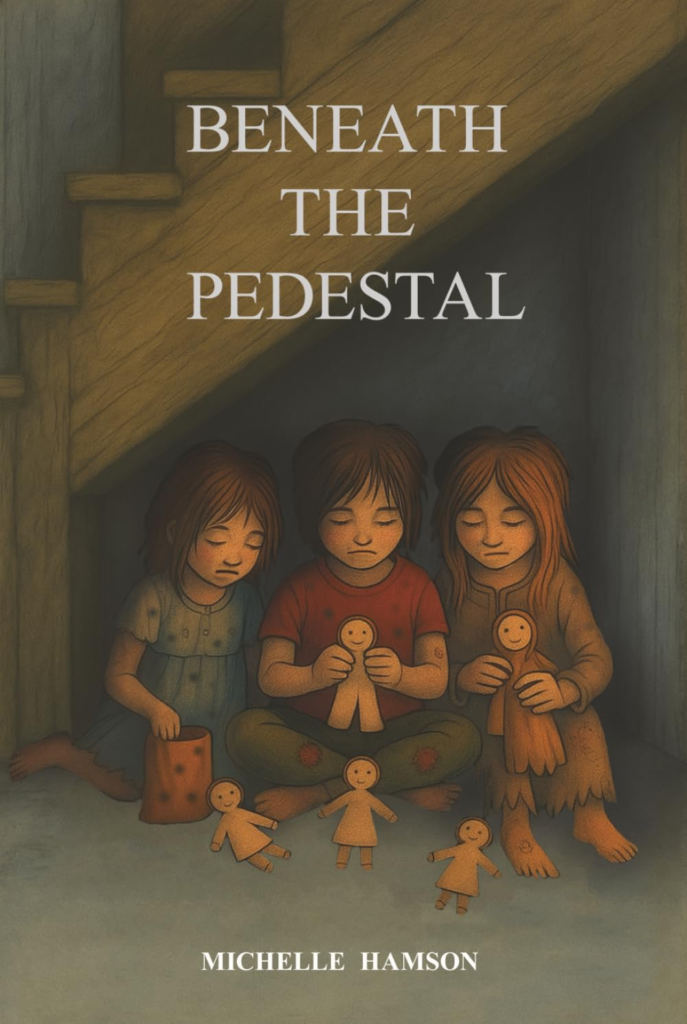
Open Your Eyes to the Courage Around You
Life in a women and children’s shelter is not what most people imagine. It is a place of transition, courage, and quiet strength. The women and children inside these walls deserve to be seen, not pitied. They are rebuilding their lives with whatever tools they have. To read stories that honor their resilience, explore Beneath the Pedestal and visit Michelle Hamson’s official site.