

Family patterns don’t just “happen.” They repeat, sometimes quietly, sometimes loudly, across decades: the same blowups, the same emotional distance, the same coping habits that harm everyone but feel oddly familiar. A generational trauma Christian perspective helps us name what’s happening without losing hope: you can honor where you came from and choose a different path.
Michelle Hamson’s work sits right in that tension, faith and hard truth, shaped by lived experience with fostering and adoption and the stories families carry. Learn more about her mission and books on Michelle Hamson’s official author website.
What “generational trauma” really means
Intergenerational trauma isn’t a buzzword, it describes how the impact of trauma can echo through family systems over time, affecting beliefs, behaviors, and emotional responses. The APA definition of intergenerational trauma explains it as the transmission of trauma or its legacy from one generation to the next.
Common repeating cycles in families
- Conflict that escalates fast (yelling, shutting down, stonewalling)
- Addiction or compulsive coping (substances, workaholism, gambling, avoidance)
- “Love” mixed with fear, control, or emotional neglect
- Silence around pain, because talking about it feels disloyal
Why harmful patterns repeat across generations
Many cycles aren’t about bad intentions. They’re about survival strategies that once worked. When children grow up in unpredictable environments, their bodies and brains can adapt to constant stress. Harvard’s overview of toxic stress in childhood explains that prolonged, unbuffered stress in early life can raise risk for later mental and physical health problems.
The CDC also notes that adverse childhood experiences can shape lifelong wellbeing, and can affect future generations through relationship patterns and ongoing stress. See the CDC’s overview of ACEs.
A generational trauma Christian perspective: truth, grace, and renewal
Faith doesn’t ask us to pretend trauma didn’t happen. It invites us to tell the truth, then choose transformation. Scripture speaks directly to pattern-breaking: Romans 12:2 describes a renewed mind that resists unhealthy “patterns of this world.”
This matters because healing isn’t only emotional, it’s spiritual, relational, and practical. And it’s often slow: small choices repeated, not one dramatic moment.
Small, brave choices that begin to rewrite the story
Name the pattern without blaming people
You can say: “This cycle ends with me,” without calling your family “the enemy.”
Build “buffering relationships”
Safe people, mentors, support groups, trusted friends, help regulate stress and reinforce healthy norms.
Pair faith with wise support
Prayer and Scripture are powerful, and many families also benefit from counseling or recovery resources. If substance use is involved, SAMHSA’s National Helpline can guide people toward support and treatment options.
Practice identity-level change
A key Christian truth is that you’re not doomed to repeat the past. 2 Corinthians 5:17 points to newness, an identity not defined by what hurt you.
Conclusion:
From a generational trauma Christian perspective, breaking family cycles doesn’t require perfection, it requires courage, truth, and steady, small steps. Patterns repeat when pain stays unnamed, but faith invites renewal: not denial of the past, but transformation beyond it.
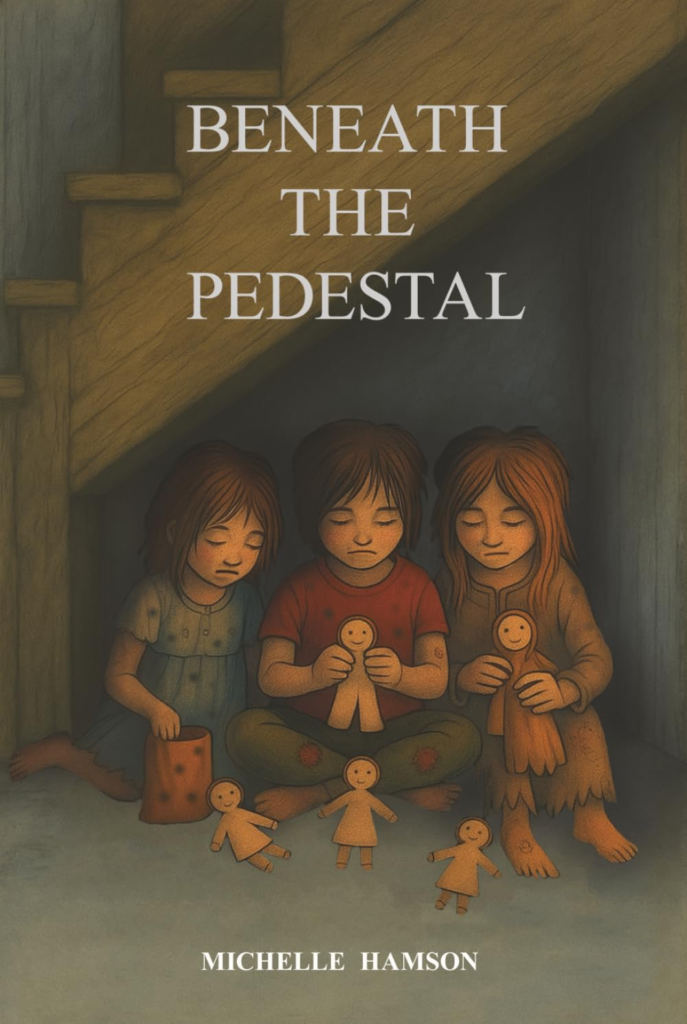
With awareness, support, and brave choices, families can rewrite what “normal” looks like for the next generation. If you’d like more faith-rooted stories of resilience and healing, visit Michelle Hamson’s author website and explore her message through Beneath the Pedestal.