

A case file can tell you dates, placements, and court notes. It can track visits, services, and compliance. But it rarely captures what a child feels when they’re handed a trash bag of belongings and told, “You’re going somewhere else tonight.”
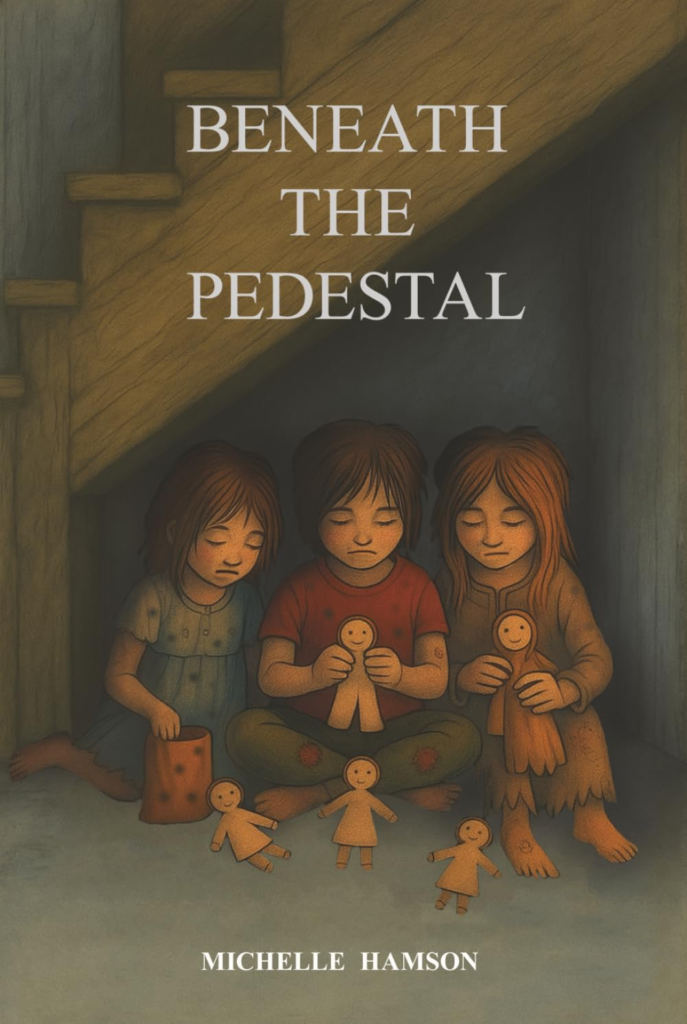
That’s why foster care stories that feel real matter, because foster care isn’t just a system. It’s a lived emotional world of fear, loyalty, hope, and heartbreak inside the very homes meant to provide safety. For a powerful, faith-anchored example, explore Michelle Hamson’s novel and mission on Michelle Hamson’s official author website.
The emotions you won’t find in paperwork
Fear: “What happens if I mess up?”
Many foster kids arrive already wired for survival. New rules, unfamiliar adults, and the pressure to “be good” can feel like walking on a tightrope. A trauma-informed lens helps adults recognize that what looks like defiance may be stress, grief, or a nervous system on high alert. The Child Welfare Information Gateway’s trauma-informed practice guidance explains why trauma awareness should shape everyday responses, not just clinical moments.
Loyalty: “I still love my family”
One of the most misunderstood emotions is loyalty. Even when a home was unsafe, children often love their parents fiercely. They may defend them, miss them, or blame themselves. This is not “denial.” It’s attachment, and it deserves respect.
Grief: “I lost everything at once”
Kids in foster care grieve more than people realize: siblings, schools, pets, neighborhoods, routines, and identity. The loss can be constant, especially when placements change.
Hope and heartbreak can exist in the same room
A foster home can be both a refuge and a reminder: I’m here because something went wrong. That emotional tug-of-war is why foster care stories that feel real often resonate so strongly with advocates, social workers, and foster parents, they reveal the invisible weight kids carry while trying to look “fine.”
Organizations like Casey Family Programs emphasize that trauma-informed and healing-centered approaches support better outcomes by centering safety, trust, and resilience across child welfare services. Learn more through Casey Family Programs’ trauma-informed care overview.
How foster parents and professionals can support what kids feel
Create “predictable safety” in the first week
- Explain house rules simply and calmly
- Keep routines steady (meals, bedtime, mornings)
- Offer choices where possible (“Shower now or after dinner?”)
Speak respectfully about birth family
Kids listen closely. If they sense judgment toward their parents, they may shut down, or feel ashamed of themselves.
Don’t rush trust, build it
Trust is earned through consistency. If you want practical tools, approaches like Trauma Systems Therapy for Foster Care (TST-FC) focus on emotional regulation and a trauma-informed environment.
Conclusion:
Behind every placement change or case note is a child trying to make sense of loss, loyalty, and survival. Foster care stories that feel real remind us that healing isn’t just about policies, it’s about steady adults, trauma-informed patience, and a home that feels emotionally safe, not just “approved.”
When foster parents and professionals honor the child’s inner world, trust becomes possible again. If you want storytelling that reflects the heart behind the system, explore Michelle Hamson’s work at michellehamsontheauthor.com.